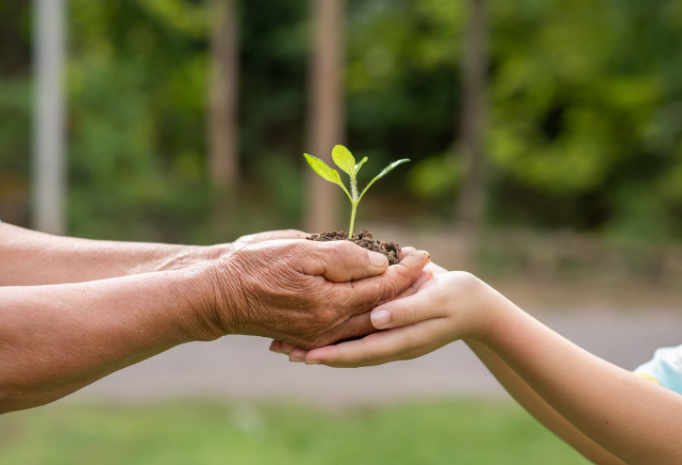
Certain acts of generosity resonate long past the moment they occur. A thoughtful gift given with genuine purpose can echo through decades, enriching a community’s spiritual life long after the donor is gone. This enduring impact defines a legacy of giving. Philanthropy directed toward faith communities does far more than meet immediate needs—it plants roots that sustain religious institutions for generations to come.
A Family Tradition of Giving Across Generations
Few examples illustrate the power of sustained, multi-generational giving as clearly as the Rockefeller family’s relationship with Riverside Church. John D. Rockefeller Jr. financed the construction of the church in the late 1920s, establishing a tradition of support that continued well past his lifetime. According to the Rockefeller Brothers Fund, his sons made personal contributions to Riverside Church even before creating their philanthropic fund in 1940. That fund supported the church’s programming and facility expansions well into the 1970s. What began as one individual’s vision evolved into an enduring family legacy, offering the congregation decades of financial stability to build meaningful community work. This long-term commitment demonstrates how charitable giving can become a core value passed down through a family.
Translating Single Gifts Into Decades of Impact
Strategic charitable contributions do more than solve pressing issues. They build a foundation that a religious community can rely on for years, funding new initiatives, welcoming members, and expanding outreach. This lasting endurance distinguishes true legacy philanthropy from one-off donations, ensuring generosity is designed with future needs in mind. When leaders plan ahead, they help congregations stay resilient through changing times, giving future generations the freedom to grow, adapt, and serve their broader communities effectively without constant financial stress.
Fostering a Culture Where Giving Becomes Tradition
When a community observes consistent generosity, that spirit often spreads. One family’s dedication to a congregation frequently inspires others to contribute, weaving philanthropy into the identity of the community itself. A shared culture of giving strengthens religious organizations from within, ensuring mission support relies not on a single benefactor, but on a collective commitment. Over time, this shared responsibility creates a stronger bond among members, encouraging everyone to play an active part in supporting the programs, staff, and outreach efforts that keep the community thriving.
Preserving Sacred Traditions for Future Generations
A legacy of giving preserves more than physical structures; it safeguards the teachings, traditions, and rituals that define a faith community. Endowments and planned giving allow these traditions to continue seamlessly, offering future members the same opportunity to gather and worship. By nurturing this steady presence, families find shared comfort in familiar practices as young and old grow together. This continuity remains one of philanthropy’s most meaningful contributions, bridging the past and future through sustained support.
See also: Smart Strategies for Creating Better Business Ads
Building Confidence for Long-Term Planning
Perhaps the greatest benefit of a philanthropic legacy is institutional confidence. Religious organizations backed by sustained giving can plan forward-looking programs, invest in new ministries, and expand outreach with security. This financial foundation allows leadership to focus on long-term strategy and multi-decade goals.
David Hofstedter Toronto-based real estate executive, author, and philanthropist, exemplifies business leaders whose charitable endeavors reflect a long-term perspective. Under Dovid Hofstedter’s leadership as President, Davpart has developed a broad portfolio encompassing office, retail, industrial, and residential properties across North America. Ultimately, a legacy of giving serves as an investment in future generations—a commitment that spiritual traditions, communities, and sacred spaces remain vibrant and welcoming for years to come.